Fire-Smart Landscaping in Redding
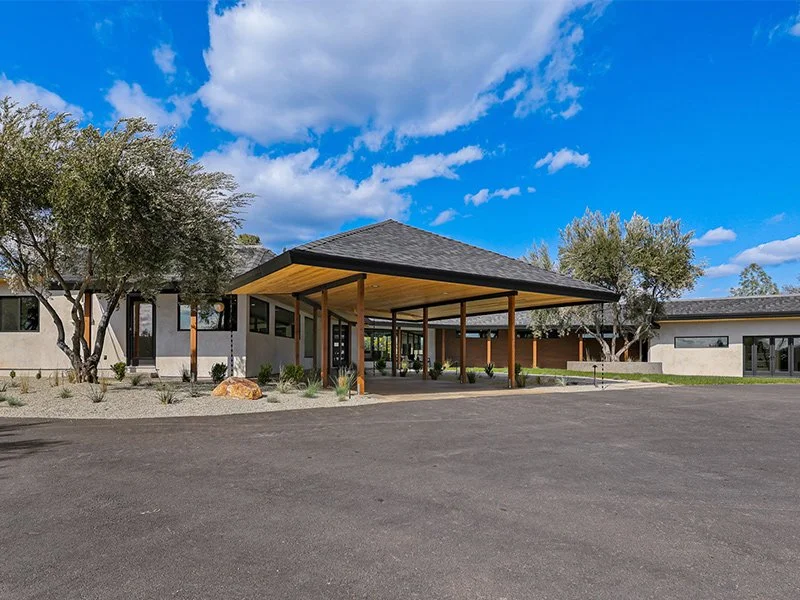
How to Protect Your Home Without Sacrificing Beauty
Living in Northern California means enjoying beautiful landscapes, but it also means being prepared for wildfire risk. In areas like Redding, Shasta County, Tehama County, Lassen County, Trinity County, and Siskiyou County, fire-smart landscaping has become an essential part of responsible home design.
Fire-smart landscaping is not about removing all plants or creating a bare yard. It is about smart plant selection, thoughtful placement, and proper maintenance that helps slow fire spread, reduces ember ignition, and protects your home while still creating an attractive outdoor space.
At Parker & Honey Landscape and Design, we are actively incorporating fire-smart principles into our landscape design and installation projects to help homeowners create safer, more resilient properties.
What Is Fire-Smart Landscaping?
Fire-smart landscaping goes far beyond keeping a tidy yard. It focuses on choosing plants that thrive in California’s dry climate, managing spacing and structure, and maintaining vegetation in ways that reduce flammability.
A fire-smart landscape can:
Reduce wildfire risk around your home
Improve water efficiency
Increase property value
Create a safer environment for firefighters defending your home
The key is understanding that plant care, placement, and maintenance often matter more than the plant species itself.
Why “Fire-Safe” Plant Labels Can Be Misleading
Many plants are marketed as “fire-resistant” or “fire-safe,” but research shows these labels are inconsistent and unreliable. A plant’s wildfire risk depends heavily on how it is maintained and where it is planted.
Important factors include:
Moisture content: Well-watered plants are less flammable
Plant stress: Drought-stressed plants burn more easily
Growth over time: Some plants become woody and flammable as they age
Waxes and oils: Plants high in resins and oils ignite more easily
Dead material buildup: Thatch, fallen leaves, and shedding bark increase fire fuel
This is why fire-smart landscaping focuses on plant traits and long-term care, not just labels.
Plant Placement Matters Just as Much as Plant Choice
Where plants are placed can dramatically impact wildfire behavior. One of the most important concepts is defensible space, which creates a buffer between your home and surrounding vegetation.
What Is Defensible Space?
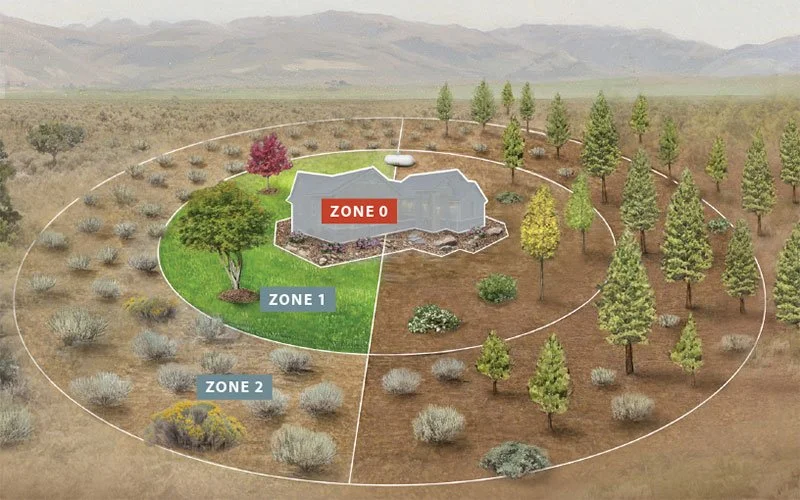
Defensible space is the buffer you create between your home and the surrounding landscape to slow or stop wildfire spread. This space reduces the chance of embers igniting your home, limits flame contact, and gives firefighters a safer area to defend your property. In wildfire-prone areas like Redding and Northern California, defensible space is one of the most effective ways to protect your home and landscape investment.
Defensible space is divided into three zones, each with specific landscaping and maintenance guidelines. Vegetation management becomes more intentional the closer you get to your home.
Zone 0: 0–5 Feet From the Home
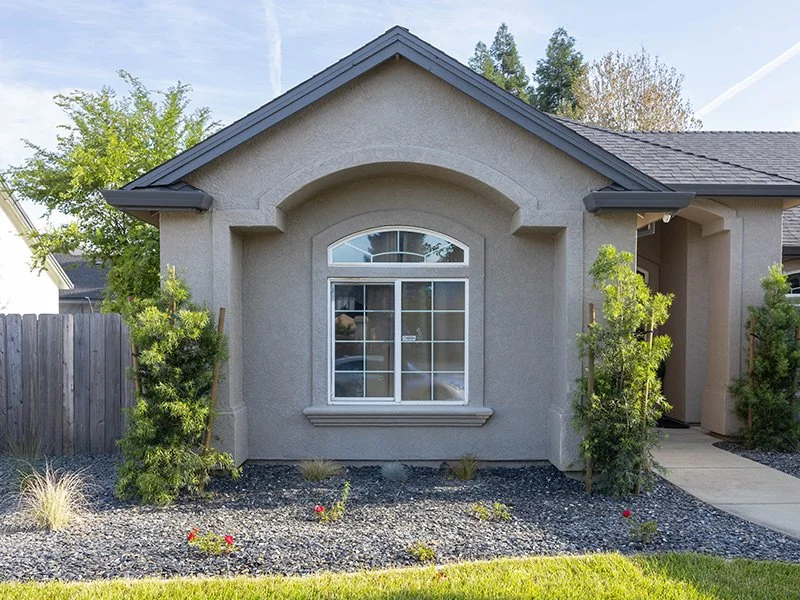
Zone 0 is the most critical area for wildfire prevention. This zone focuses on intense fuel reduction to protect your home from embers and direct flame contact.
Best practices for Zone 0 include:
Use gravel, pavers, or concrete instead of combustible mulch
Keep this area clear of dead plants, weeds, and debris
Ensure plants do not touch siding, windows, vents, decks, or eaves
Trim branches at least 10 feet away from chimneys and stovepipes
Minimize combustible items like planters, furniture, and décor on decks
Move firewood, lumber, and stored materials out of this zone
Replace combustible fencing or gates with fire-resistant materials
Although Zone 0 is not yet required by law, it is one of the most effective defenses against ember ignition.
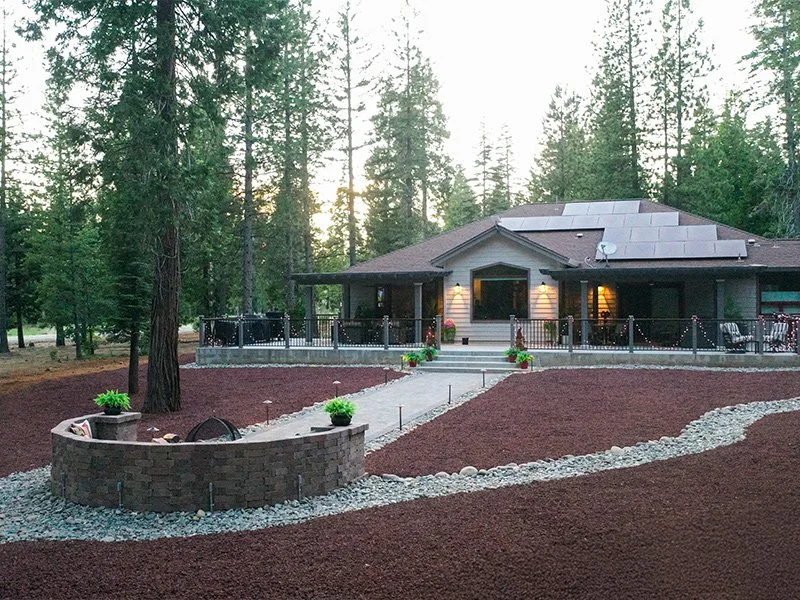
Zone 1: 5–30 Feet From the Home
Zone 1 focuses on reducing fuel while still allowing for attractive landscaping. This area should be well-maintained and thoughtfully planted to slow fire spread.
Key guidelines for Zone 1 include:
Remove dead plants, grass, leaves, and pine needles regularly
Keep trees pruned with a minimum 10-foot clearance from chimneys
Space shrubs and plants to prevent fire from moving between them
Prune flammable plants near windows and entry points
Clear vegetation and debris from under decks, balconies, and stairs
Maintain open space between trees, shrubs, and flammable objects
Zone 1 is required by law and plays a major role in reducing wildfire intensity near structures.
Zone 2: 30–100 Feet From the Home
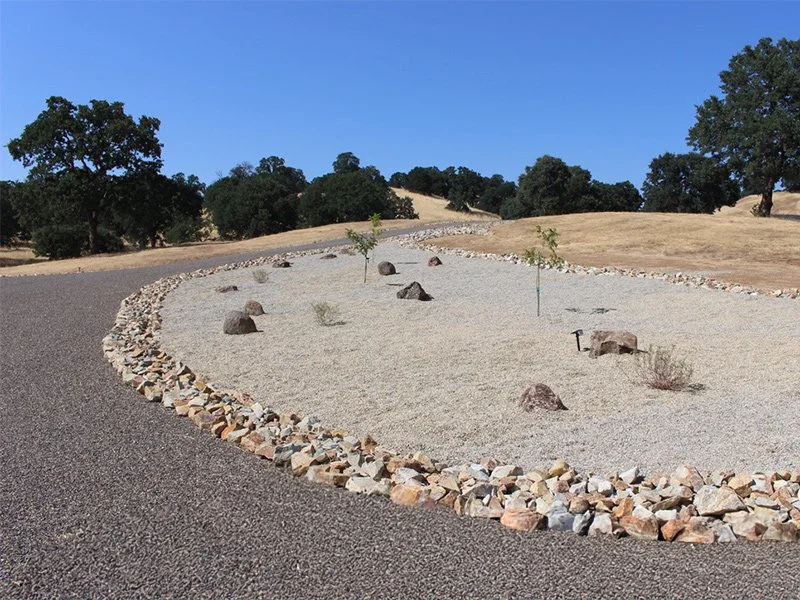
Zone 2 is designed to slow down an approaching wildfire before it reaches your home. Vegetation management here focuses on spacing, height control, and fuel reduction.
Best practices for Zone 2 include:
Trim annual grasses to a maximum height of 4 inches
Space shrubs and trees horizontally based on slope and plant size
Maintain vertical spacing between grass, shrubs, and tree canopies
Remove fallen leaves, needles, and small branches regularly
Store wood piles at least 10 feet from surrounding vegetation
Maintain clear space around outbuildings and propane tanks
Local ordinances may require stricter guidelines, so checking with your local fire department or fire protection district is always recommended.
Proper Plant Spacing Reduces Fire Spread
Spacing between grass, shrubs, and trees plays a major role in slowing wildfire movement.
General guidelines include:
Trim tree branches at least 6 feet from the ground
Multiply shrub height by 3 to determine vertical clearance
Increase spacing on steeper slopes
Avoid dense plant groupings near structures
These spacing strategies help prevent fire from traveling vertically and horizontally through your landscape.
Maintenance Is the Foundation of Fire-Smart Landscaping
Even the best landscape designs in Redding require ongoing care to remain fire-resistant.
Important maintenance practices include:
Regular pruning and removal of dead material
Smart watering and fertilization
Using drip irrigation for efficient water use
Avoiding combustible mulches near the home
Using compost mixed into soil as a safer alternative
Healthy, well-maintained plants are far less likely to become wildfire fuel.
Fire-Smart Landscaping Can Still Be Beautiful
Fire-smart landscapes do not need to look barren or industrial. With proper planning, they can be lush, functional, and visually appealing while still reducing risk.
At Parker & Honey Landscape and Design, we combine fire-smart principles with:
Landscape Installation and Planting designed for Northern California climates
Irrigation and Drainage Solutions that keep plants healthy and hydrated
Hardscaping and Outdoor Structures like pavers and patios that reduce combustible areas
Water and Specialty Features that add beauty while improving moisture balance
Fencing and Property Boundaries using safer material choices
Landscape Design and Custom Projects tailored to your property and wildfire risk
Fire-smart landscaping is not a one-size-fits-all solution. It requires thoughtful design, professional installation, and ongoing care.
Designing Fire-Smart Landscapes in Redding and Northern California
Wildfire preparedness starts at home, and your landscape plays a major role in protecting what matters most. By combining defensible space guidelines, smart plant selection, and professional landscape design, you can create an outdoor environment that is both safe and beautiful.
Parker & Honey Landscape and Design proudly serves Redding, Shasta County, Tehama County, Lassen County, Trinity County, and Siskiyou County with reliable, professional landscape design and installation.
If you are interested in incorporating fire-smart landscaping into your property, we are here to help you plan, design, and build a landscape that protects your home while enhancing its beauty.
Contact us today to schedule an onsite walkthrough and start designing a safer outdoor space.